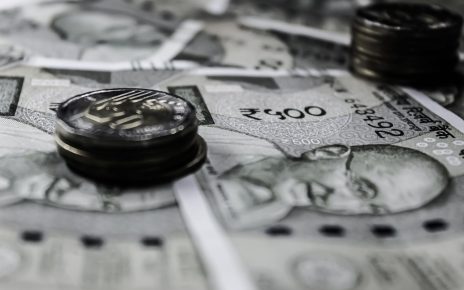
Bank of Japan rate hike discussions are heating up as the central bank’s policy stance shifts. This week, analysts are closely watching for signs of change that could affect future monetary policy decisions.
Understanding the Current Policy Stance
The Bank of Japan’s current policy stance is under scrutiny as many analysts speculate about the potential for a future rate hike. While the central bank is expected to maintain its current course this week, subtle changes in its outlook have led to increased discussions about monetary policy adjustments.
This evolving stance raises important questions regarding economic conditions and inflation targets. The Bank of Japan has been committed to its ultra-low interest rates for several years, aiming to stimulate growth and achieve a stable inflation rate. However, recent economic indicators suggest that inflation may be on the rise, prompting some experts to believe that a Bank of Japan rate hike could be on the horizon.
- Inflation trends indicate potential overheating in the economy.
- Global economic factors may influence domestic monetary policy.
- Market reactions could further impact the timing of any rate adjustments.
Despite the uncertainty surrounding a December rate hike, the Bank of Japan’s leadership remains cautious. They aim to balance the need for economic recovery with the imperative to control inflation, making the upcoming decisions crucial for the nation’s financial future.
What Analysts Are Saying About Rate Hikes
Analysts are divided on the implications of a potential Bank of Japan rate hike in the coming months. Many experts believe that while the central bank may maintain its current stance for now, a shift in policy could be on the horizon. Economic indicators suggest that inflation may be stabilizing, prompting discussions about whether the time is right for a rate adjustment.
Some analysts argue that a rate hike could be beneficial to counteract rising prices and stabilize the economy. They point out that:
- Inflation rates have shown signs of persistent growth, which may necessitate intervention.
- The global economic landscape is evolving, and Japan must adapt to remain competitive.
- Consumer confidence appears to be improving, indicating a readiness for change.
Conversely, others caution against premature adjustments. They highlight:
- The ongoing uncertainties in international markets.
- The risk of stifling economic recovery.
- Potential backlash from consumers who are still recovering from the pandemic’s impacts.
As the Bank of Japan approaches its decision-making period, the debate over the timing and necessity of a rate hike continues to intensify.
Bank of Japan’s Impact on Global Markets
The potential for a Bank of Japan rate hike has significant implications for global markets, as investors closely monitor the central bank’s policies. While the Bank of Japan is expected to maintain its current policy this week, any shift in stance could send ripples through various financial sectors.
Global markets are particularly sensitive to changes in Japan’s monetary policy due to the country’s substantial influence on international trade and investment. A rate hike could strengthen the yen, impacting export-driven economies and multinational corporations with exposure to Japanese markets.
Furthermore, analysts note that a change in the Bank of Japan’s approach might set a precedent for other central banks. The following factors are critical to consider:
- Investor Sentiment: Market reactions could vary based on how investors perceive the timing and necessity of a rate hike.
- Economic Indicators: Inflation rates and growth metrics will play a crucial role in determining the Bank’s next steps.
- Global Trade Relations: Any shifts in Japan’s policy could influence trade dynamics in Asia and beyond.
As December approaches, the uncertainty surrounding the Bank of Japan’s decisions remains a focal point for global economic observers.
Historical Context of Japan’s Interest Rates
The historical context of Japan’s interest rates reveals a complex landscape shaped by decades of economic challenges. Since the asset bubble burst in the early 1990s, the Bank of Japan has maintained an ultra-low interest rate environment to stimulate growth and combat deflation. This prolonged period of low rates has led to several notable shifts in monetary policy over the years.
In the aftermath of the global financial crisis, the Bank of Japan introduced quantitative easing measures, aiming to boost liquidity in the economy. Despite these efforts, inflation has remained stubbornly low, prompting the Bank to adopt a negative interest rate policy in 2016. This decision marked a significant turning point, as it was the first time a major central bank implemented such a policy.
As the global economic landscape evolves, the conversation around a potential Bank of Japan rate hike intensifies. Recent signals from the central bank suggest a readiness to reassess its approach, particularly in light of rising inflation and changing economic conditions. Analysts are closely monitoring these developments, as any decision regarding a rate hike could have profound implications for both domestic and international markets.
Future Predictions for Japan’s Economy
As the Bank of Japan contemplates its next moves, many economists are turning their attention to future predictions for Japan’s economy. The possibility of a rate hike has stirred a mixture of optimism and caution among experts, who recognize that any decision will have cascading effects on both domestic and international markets.
Several indicators suggest a potential shift in Japan’s economic landscape, including:
- Inflation Trends: Rising consumer prices could prompt the Bank of Japan to reconsider its long-standing ultra-loose monetary policy.
- Global Economic Conditions: Changes in major economies, especially the United States and the European Union, may influence Japan’s decision-making process.
- Domestic Demand: A sustained increase in consumer spending could lead to a more favorable environment for a Bank of Japan rate hike.
Moreover, the central bank’s cautious approach highlights its commitment to maintaining economic stability. While some analysts argue that now may not be the right time for a rate hike, others believe that a gradual adjustment could support long-term growth. Ultimately, the Bank of Japan faces a challenging balancing act as it navigates these uncertainties.
The potential implications of a Bank of Japan rate hike could significantly impact both domestic and global markets. Many analysts are questioning whether the Bank of Japan rate hike is truly the right time for change in the current economic climate.