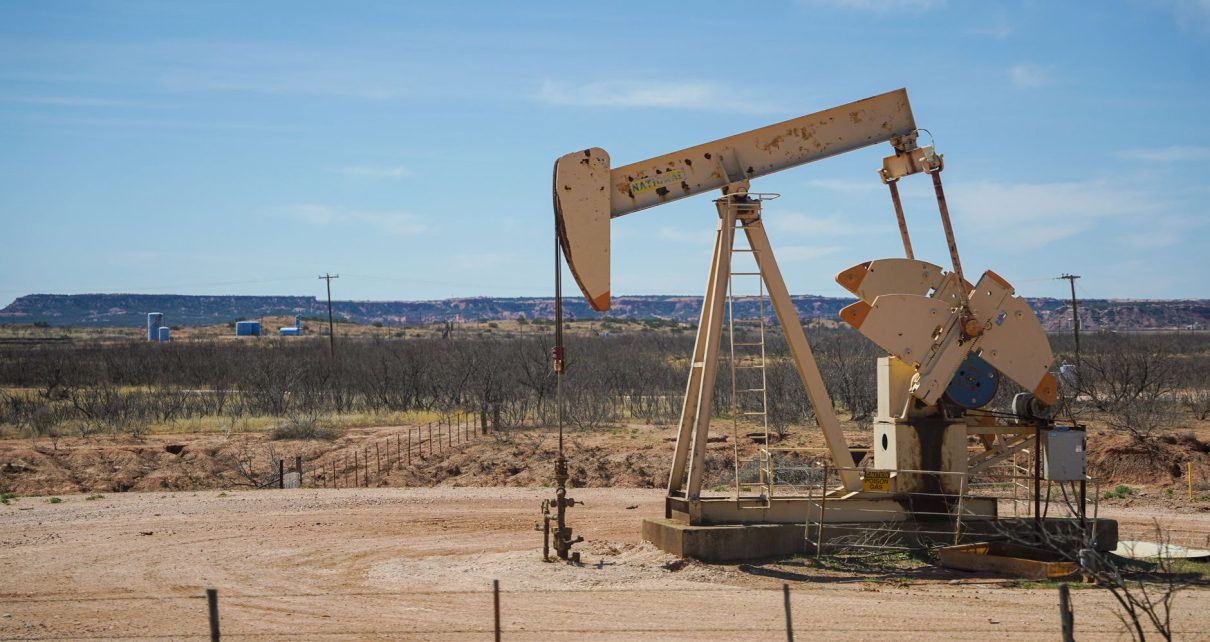
US crude production is projected to hit record highs for the fourth consecutive year in 2026, as reported by the EIA. This trend reflects ongoing developments in the energy sector.
EIA’s Forecast for US Crude Production
The Energy Information Administration (EIA) has released its latest projections, indicating that US crude production is set to reach unprecedented levels by 2026. This forecast highlights the ongoing growth in the nation’s oil output, driven by advancements in extraction technologies and increasing investments in the sector.
According to the EIA, several key factors will contribute to this record-breaking surge:
- Technological advancements: Enhanced drilling techniques are improving efficiency and recovery rates.
- Increased investment: Higher capital expenditures from oil companies are fueling production growth.
- Global demand: Rising global energy demands continue to strengthen the market for US crude.
This consistent upward trend in US crude production not only positions the country as a major player in the global oil market but also has significant implications for energy policy and economic stability.
Factors Driving Increased Production
The increase in US crude production is attributed to several key factors that are shaping the energy landscape. Industry experts highlight the following elements driving this growth:
- Technological Advancements: Innovations in drilling techniques and extraction technologies have significantly improved efficiency and output.
- Investment in Infrastructure: Ongoing investments in pipelines and refineries are facilitating the transport and processing of crude oil.
- Global Demand: Rising global energy demand, particularly from emerging economies, is fueling the need for increased US crude production.
- Policy Support: Government policies aimed at energy independence are encouraging domestic production efforts.
- Market Conditions: Favorable oil prices are incentivizing producers to enhance output and expand operations.
These factors collectively indicate a robust trajectory for US crude production in the coming years, with expectations set for continued record highs through 2026.
Impact on Global Oil Prices
The forecast for US crude production reaching record highs by 2026 is expected to have significant implications for global oil prices. As the Energy Information Administration (EIA) predicts a continuous rise in output, the global oil market may experience increased volatility.
Several factors are likely to influence this dynamic:
- Increased Supply: The surge in US crude production could lead to an oversupply, pressuring prices downward.
- Global Demand: If global demand remains steady or increases, it may counterbalance the potential oversupply.
- Geopolitical Factors: Tensions in oil-producing regions can disrupt supply and create price spikes, irrespective of US production levels.
In conclusion, while US crude production is set to rise, the interplay of these factors will ultimately dictate the trajectory of global oil prices in the coming years.
Historical Trends in US Crude Production
Over the past decade, US crude production has experienced significant fluctuations, driven by various market dynamics and technological advancements. In the early 2010s, production began to surge, largely due to the rise of shale oil extraction techniques. This boom resulted in the US becoming one of the leading oil producers globally.
As highlighted by the Energy Information Administration (EIA), historical trends indicate that US crude production reached impressive heights in recent years. Key milestones include:
- Increased output from shale fields in Texas and North Dakota.
- Enhanced drilling technologies that have improved recovery rates.
- A shift towards more efficient production practices among oil companies.
Looking ahead, the continued rise in US crude production is anticipated, with forecasts suggesting a record high in 2026, reaffirming the country’s pivotal role in the global oil market.
Challenges Facing the Industry
The US crude production sector is currently grappling with several significant challenges that could impact future growth. Among these challenges are:
- Regulatory Pressures: Increasing environmental regulations may hinder the pace of new drilling projects and limit expansion opportunities.
- Supply Chain Disruptions: Ongoing supply chain issues, exacerbated by global uncertainties, can delay production and increase operational costs.
- Technological Limitations: While advancements in extraction techniques have propelled production, there are still limitations in accessing certain reserves efficiently.
- Market Volatility: Fluctuating global oil prices can impact the economic viability of new investments in US crude production.
As the industry aims to achieve the EIA’s forecast for record high production by 2026, addressing these challenges will be crucial for maintaining sustainable growth.
Future Outlook for Energy Markets
The future outlook for energy markets is increasingly shaped by the trajectory of US crude production. As the U.S. continues to expand its production capabilities, analysts anticipate significant shifts in both domestic and global energy dynamics.
According to the EIA, US crude production is projected to reach record highs, with expectations set for 2026. This growth is driven by advancements in extraction technologies and the discovery of new oil reserves, which are expected to bolster the industry.
However, the landscape remains complex. Key factors such as geopolitical tensions, regulatory changes, and environmental concerns could influence production rates and market stability.
Investors and policymakers must stay informed about these evolving trends, as they will ultimately guide decisions and strategies in an ever-changing energy sector.
- Record high production projected for 2026
- Technological advancements play a crucial role
- Geopolitical and regulatory factors remain uncertain
Photo by jayjay13 on Pexels