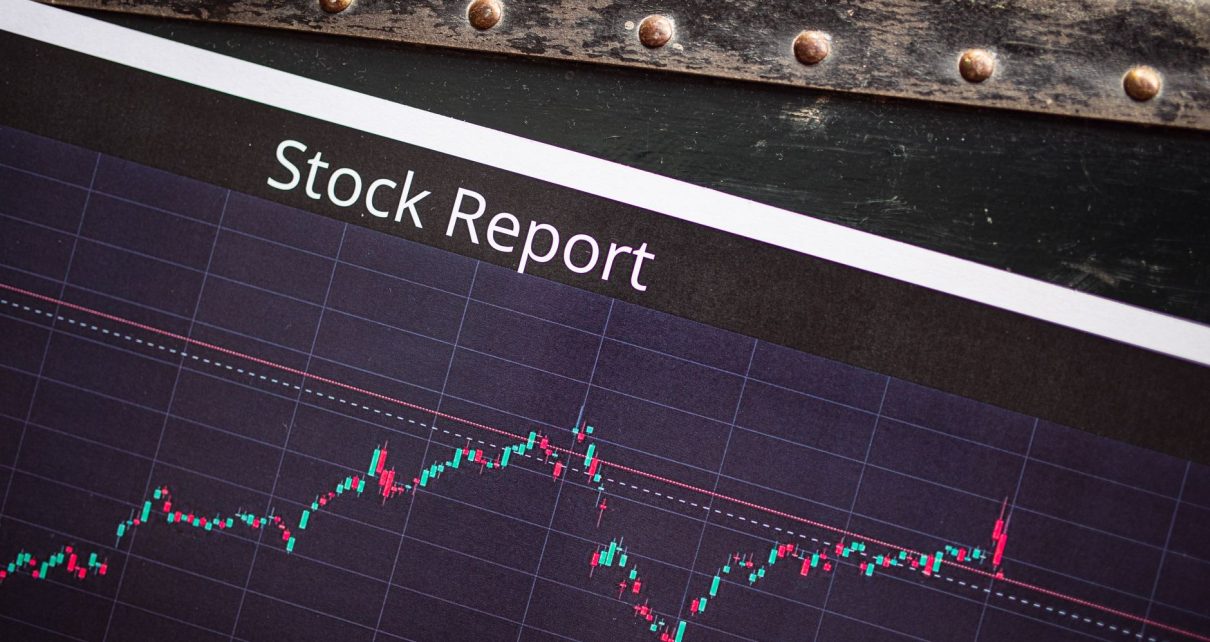
Stock market trends are influencing investor decisions today. With the Sensex and Nifty jumping nearly 1%, many are curious about the implications for their portfolios.
Understanding Stock Market Trends
Understanding stock market trends is crucial for investors aiming to maximize their returns. Recent reports indicate that stock markets have been on an upward trajectory, with the Sensex and Nifty both experiencing a notable jump of nearly 1 percent. This positive momentum can be attributed to various factors influencing investor sentiment and market dynamics.
Investors often look for patterns to identify potential trends in the stock market. Some proven strategies include:
- Technical Analysis: This involves analyzing price charts and volume data to predict future movements based on historical trends.
- Fundamental Analysis: Investors examine a company’s financial health, including earnings reports and economic indicators, to determine its potential for growth.
- Diversification: Spreading investments across various sectors can help mitigate risks associated with market fluctuations.
- Long-term Investing: Holding onto stocks for an extended period often leads to better returns as markets tend to recover from downturns.
By staying informed about stock market trends and employing effective strategies, investors can enhance their chances of success in this dynamic environment.
Impact of Sensex and Nifty
The recent performance of the Indian stock market indicates significant trends, particularly with the Sensex and Nifty indices showing an upward trajectory. On a noteworthy day, both indices jumped nearly 1 percent, reflecting positive investor sentiment and a stable economic outlook.
Several factors contribute to the impact of the Sensex and Nifty on broader stock market trends:
- Investor Confidence: A rise in these indices often boosts confidence among investors, encouraging more trading activity.
- Market Sentiment: The movement of Sensex and Nifty can serve as a barometer for market sentiment, influencing investment decisions.
- Economic Indicators: Positive performance in these indices typically correlates with favorable economic indicators, such as GDP growth and corporate earnings.
- Sector Performance: Key sectors represented in these indices can lead stock market trends, with movements in industries like technology or pharmaceuticals often reflecting broader economic changes.
Investors should consider these factors when analyzing stock market trends, as they can provide insights into future market movements and potential investment opportunities.
Best Proven Strategies for Investors
Investors looking to navigate the complexities of stock market trends can benefit from several proven strategies that have stood the test of time. These strategies aim to optimize returns while managing risks effectively.
- Diversification: One of the cornerstone strategies for investors is to diversify their portfolios. This involves spreading investments across various sectors and asset classes, which can mitigate risks associated with market volatility.
- Long-term Investment: Investing with a long-term perspective often leads to better returns. By holding onto stocks for an extended period, investors can ride out short-term fluctuations in the market.
- Dollar-Cost Averaging: This strategy involves regularly investing a fixed amount of money, regardless of market conditions. This approach can lower the average cost of shares over time and reduce the impact of market volatility.
- Research and Analysis: Staying informed about market trends, economic indicators, and company performance can help investors make informed decisions. Utilizing technical and fundamental analysis can further enhance investment strategies.
By implementing these strategies, investors can better navigate stock market trends and work toward achieving their financial goals.
Current Market Analysis
As of the latest trading session, the stock markets have shown a positive trajectory, with both the Sensex and Nifty indices climbing nearly 1 percent. This upward movement highlights current stock market trends that investors should closely monitor. Analysts attribute this rise to a combination of favorable economic indicators and strong corporate earnings, which have bolstered investor confidence.
Additionally, the global market environment has played a significant role in shaping domestic trends. Key factors influencing investor sentiment include:
- Interest Rates: The stability of interest rates has encouraged borrowing and investment, supporting stock prices.
- Inflation Rates: A decrease in inflation can lead to increased consumer spending, benefiting companies across various sectors.
- Geopolitical Stability: Recent developments in international relations have reduced uncertainty, making the stock market a more attractive option for investors.
Investors are advised to remain vigilant and adapt their strategies according to these evolving market dynamics. Understanding these current market analyses can provide valuable insights, allowing for informed decision-making in the context of ongoing stock market trends.
How to Navigate Stock Volatility
Navigating stock volatility can be challenging for investors, especially in a fluctuating market. Understanding stock market trends is crucial to making informed decisions during these unpredictable times. Here are some strategies to help you manage volatility:
- Diversification: Spread your investments across various sectors and asset classes to reduce risk. This approach helps mitigate losses when certain stocks underperform.
- Stay Informed: Keeping up with market news and economic indicators can provide insights into potential market movements. This knowledge enables investors to anticipate fluctuations.
- Long-term Perspective: Focusing on long-term growth rather than short-term gains can help investors withstand market turbulence. Historically, markets tend to recover over time.
- Set Stop-Loss Orders: Implementing stop-loss orders can protect your investments from significant losses during sharp declines.
- Emotional Discipline: Avoid making impulsive decisions based on fear or greed. Sticking to a well-thought-out strategy is essential in volatile conditions.
By employing these strategies, investors can better navigate the challenges of stock volatility and capitalize on emerging stock market trends.
Future Predictions for Stock Markets
As investors look to the future, understanding stock market trends becomes essential for making informed decisions. Analysts predict that the upcoming year will bring a mix of challenges and opportunities driven by various factors.
One significant influence on future market performance is the ongoing economic recovery. Many experts believe that as economies stabilize post-pandemic, consumer spending will rise, positively affecting stock prices. However, inflation concerns could temper this growth, forcing investors to remain vigilant.
The following trends are expected to shape the market:
- Technological Advancements: Companies harnessing AI and green technologies may outperform traditional sectors.
- Interest Rates: Changes in monetary policy will play a crucial role in determining investor sentiment.
- Global Events: Geopolitical tensions and international trade dynamics could create volatility.
In light of these factors, investors should refine their strategies to align with evolving stock market trends. Staying informed and adaptable is key to navigating the uncertainties that lie ahead.
Photo by RDNE Stock project on Pexels