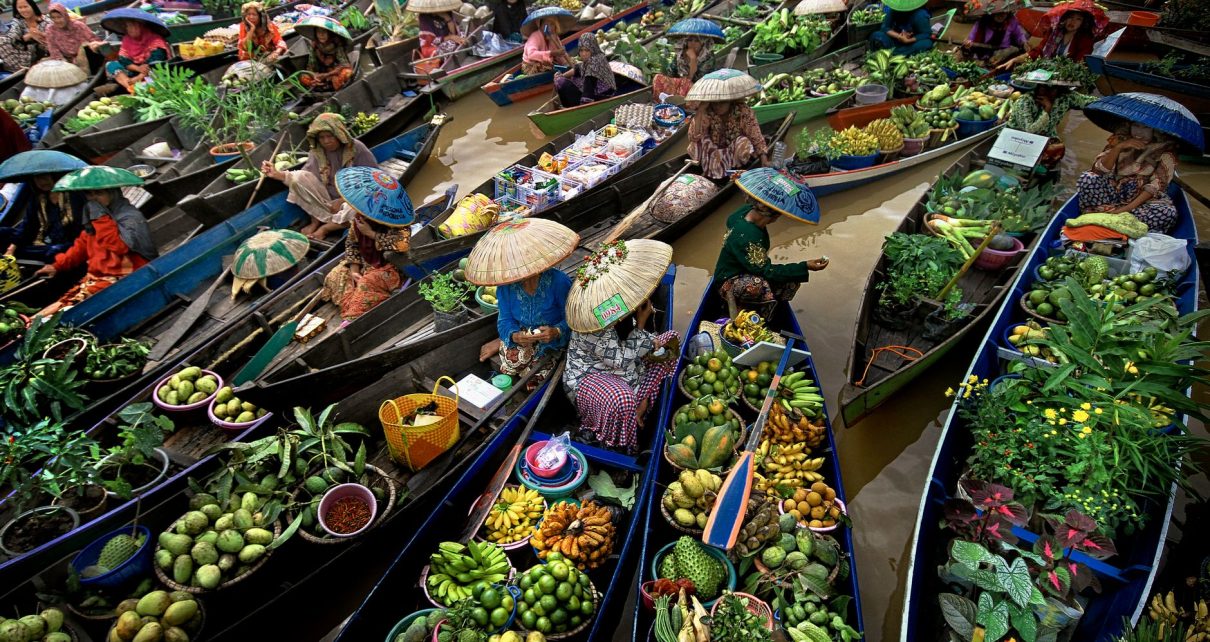
Asia’s forgotten trades are gaining new momentum as the AI slump revives interest in traditional industries across China and India.
Understanding the AI Slump
The recent downturn in the artificial intelligence sector has unexpectedly highlighted Asia’s forgotten trades, offering a unique revival of business opportunities across the region. As companies recalibrate their focus from high-tech to traditional industries, the potential for growth in these neglected sectors has become more pronounced.
Many businesses that once thrived in manufacturing, agriculture, and artisanal crafts are now experiencing a resurgence. This shift can be attributed to several factors:
- Changing consumer preferences: There is a growing demand for authentic and locally produced goods as consumers seek to support sustainable practices.
- Economic necessity: With the AI slump impacting job markets, many individuals are turning to forgotten trades as a viable source of income.
- Government initiatives: Various Asian governments are recognizing the importance of reviving these trades and are implementing policies to support small businesses and artisans.
As a result, traditional crafts and local industries are gaining new life, bridging the gap between the past and the present. This revival not only preserves cultural heritage but also provides significant economic opportunities for communities across Asia.
Impact on China’s Economy
The recent AI slump has inadvertently spotlighted Asia’s forgotten trades, presenting a unique opportunity for revitalization within the region’s economic framework. As technology giants scale back their investments in artificial intelligence, traditional sectors are witnessing a resurgence, particularly in China.
China’s economy, often characterized by its rapid technological advancements, is now turning its focus back to time-honored industries. This shift is not merely a nostalgic return but a strategic pivot aimed at harnessing the strengths of its rich cultural heritage in craftsmanship and trade. The revival of these forgotten trades could lead to significant economic benefits, including:
- Job Creation: Reviving traditional industries may create a plethora of job opportunities, especially in rural areas where unemployment rates are high.
- Export Growth: Asia’s forgotten trades often have unique products that can cater to niche markets globally, boosting exports.
- Cultural Preservation: Engaging in these trades helps preserve local cultures and skills that might otherwise fade away.
As China recalibrates its economic strategy, the emphasis on these forgotten trades may not only stabilize the current economy but also pave the way for sustainable growth in the future.
Revival of India’s Traditional Trades
The revival of India’s traditional trades has become a significant focal point as the region navigates the challenges posed by the AI slump. Many artisans and craftsmen, who had long been overshadowed by modern manufacturing, are now witnessing a resurgence in demand for their unique products.
In various states across India, local artisans are re-emerging as vital contributors to the economy. This revival can be attributed to several factors:
- Increasing global interest in sustainable and handmade goods has made traditional trades appealing to consumers seeking authenticity.
- Government initiatives aimed at promoting local craftsmanship have provided much-needed support and visibility for these trades.
- Collaboration with designers has allowed artisans to modernize their offerings while retaining traditional techniques, attracting a younger demographic.
As a result, these forgotten trades are not only preserving cultural heritage but also creating new business opportunities. The resurgence of interest in products such as handcrafted textiles, pottery, and woodwork showcases the potential for economic growth rooted in tradition. By leveraging Asia’s forgotten trades, India is paving the way for a sustainable future that honors its rich artisan history while adapting to contemporary market demands.
Opportunities in Emerging Markets
The economic landscape in Asia is shifting, revealing a treasure trove of opportunities in emerging markets. As the AI slump reshapes industries, many businesses are turning their focus back to Asia’s forgotten trades, seeking to capitalize on traditional skills and crafts that have long been overlooked.
Regions across the continent are experiencing a revival of interest in artisanal and local trades. This has led to a renewed appreciation for craftsmanship and sustainable practices. Key factors driving this resurgence include:
- Consumer Demand: An increasing number of consumers are prioritizing unique, handmade products over mass-produced items.
- Cultural Heritage: Countries are beginning to recognize the value of preserving their cultural identities through traditional trades.
- Technological Integration: Advancements in technology enable artisans to reach global markets, effectively bridging the gap between tradition and modernity.
Emerging markets are uniquely positioned to harness these elements, providing fertile ground for innovation while honoring age-old practices. As governments and entrepreneurs work together to support these initiatives, the potential for growth in forgotten trades becomes increasingly evident, paving the way for a vibrant economic future.
Future Trends in Asian Trade
As Asia’s forgotten trades begin to resurface, several future trends are emerging that could reshape the region’s economic landscape. Key factors include a renewed focus on sustainability, technological integration, and the rise of local craftsmanship.
- Sustainability: Businesses are increasingly recognizing the importance of sustainable practices. Traditional trades, which often emphasize local resources and handmade techniques, are becoming more appealing to environmentally conscious consumers.
- Technological Integration: The integration of technology into traditional industries is opening new avenues for growth. From e-commerce platforms to social media marketing, artisans and local businesses are leveraging digital tools to reach wider audiences and revitalize their trades.
- Local Craftsmanship: There is a burgeoning appreciation for unique, handcrafted items. This shift in consumer preferences supports the revival of Asia’s forgotten trades, as people seek authentic products with cultural significance.
- Collaboration Across Borders: Regional collaborations are fostering innovation and knowledge sharing, allowing traditional trades to adapt and thrive in a competitive market.
As these trends continue to unfold, there is a significant opportunity for Asia’s forgotten trades to not only survive but thrive, reigniting business opportunities across the continent.
How Businesses Can Adapt
As Asia’s forgotten trades resurface, businesses must adapt to the changing landscape to capitalize on new opportunities. The revival of these traditional sectors offers a unique chance for companies to diversify their offerings and reconnect with cultural heritage. Here are some strategies that can help businesses navigate this transition:
- Embrace Technology: Integrating modern technology with traditional practices can enhance productivity and efficiency. Businesses should consider using e-commerce platforms to reach a wider audience.
- Focus on Sustainability: Consumers are increasingly drawn to sustainable products. By promoting eco-friendly practices, businesses can attract a more conscientious customer base.
- Invest in Training: Reviving forgotten trades often requires skilled artisans. Investing in training programs can help cultivate talent and ensure the survival of these crafts.
- Collaborate with Local Communities: Building partnerships with local artisans can enhance authenticity and strengthen community ties, making products more appealing to consumers.
- Market the Unique Story: Each traditional trade has a narrative. Highlighting the stories behind products can create emotional connections with customers, driving brand loyalty.
By proactively adapting to these changes, businesses can thrive while contributing to the revival of Asia’s forgotten trades, ensuring their relevance in a rapidly evolving market.
Photo by Muhammad Hary on Pexels