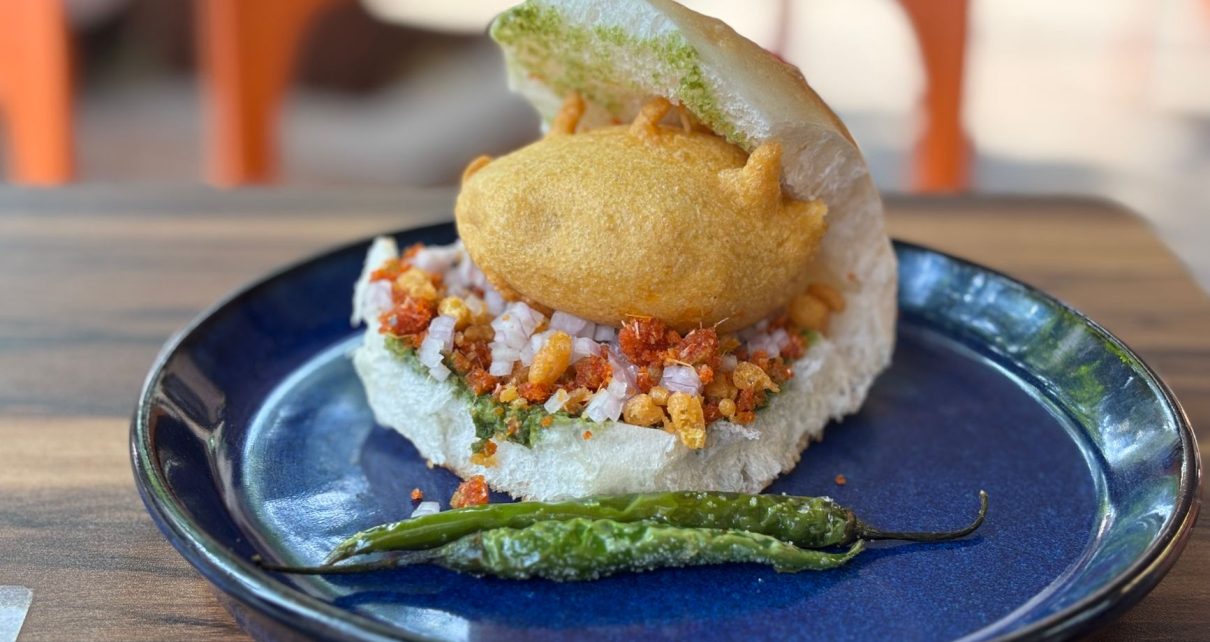
Bring back vada pav is the request made by a schoolboy to Tukaram Mundhe, the Maharashtra FDA chief, highlighting the dish’s popularity among students.
The Importance of Vada Pav in Schools
The recent appeal by a schoolboy to the Maharashtra FDA chief highlights the significance of vada pav in schools. This beloved street food, often considered a staple among students, serves not only as a delicious snack but also as a source of comfort and nostalgia.
Vada pav is more than just a meal; it plays an essential role in the cultural fabric of Maharashtra. Its affordability makes it accessible to students from various backgrounds, ensuring that no child misses out on this iconic dish.
Moreover, reinstating vada pav in school cafeterias could encourage healthier eating habits, as it can be paired with fresh ingredients.
As the community rallies around the call to bring back vada pav, it is essential to recognize its importance in promoting not only nutrition but also a sense of identity among young learners.
Schoolboy’s Request to FDA
A schoolboy’s heartfelt request has captured the attention of many as he urged Tukaram Mundhe, the Maharashtra FDA chief, to bring back vada pav in schools. The young student expressed his love for this iconic snack and highlighted its cultural significance among his peers. In a letter addressed to Mundhe, he emphasized how vada pav not only satisfies hunger but also fosters a sense of community and belonging among students.
His appeal included a list of reasons why vada pav should be reinstated in the school canteen:
- Nutrition: Vada pav offers a balanced mix of carbohydrates and protein.
- Affordability: It is an inexpensive option for students.
- Cultural Heritage: It connects students to local traditions and flavors.
The response from the FDA chief remains awaited, as many hope for a positive outcome.
Tukaram Mundhe’s Response
Tukaram Mundhe, the Maharashtra FDA chief, has responded to the heartfelt plea from a schoolboy advocating for the return of vada pav in schools. In his statement, Mundhe acknowledged the cultural significance of this iconic street food, emphasizing its role in nourishing students while also promoting local cuisine. He stated, “Vada pav is more than just a snack; it represents a significant aspect of our culinary heritage.”
In light of the schoolboy’s request, Mundhe assured that the FDA would evaluate the possibility of reintroducing vada pav in school canteens, provided it meets safety and nutritional standards. He added, “We must ensure that our children have access to healthy yet traditional food options.”
The appeal to bring back vada pav resonates with many, reflecting a desire to preserve local flavors in educational institutions.
Cultural Significance of Vada Pav
The vada pav, often referred to as Mumbai’s beloved street food, holds immense cultural significance in Indian society. This popular snack is not just a meal but a symbol of the city’s vibrant culinary heritage.
For many, it represents a nostalgic connection to childhood and community, often enjoyed during school lunch breaks or after a long day of classes. The appeal to bring back vada pav in schools is not merely about food; it’s about preserving traditions and fostering a sense of belonging among students.
Many families reminisce about the joy of sharing vada pav with friends and family, making it an integral part of social gatherings. This cherished dish also serves as an affordable option for students, ensuring that everyone can enjoy a taste of home, no matter their economic background.
Ultimately, reviving vada pav in schools would not only satisfy appetites but also nourish cultural identity.
Impact on Student Nutrition
The impact of removing vada pav from school menus has raised concerns among parents and nutritionists alike. This beloved snack is not only a source of energy but also a significant part of local culture. Many students, especially in Maharashtra, have grown up enjoying vada pav, making it an integral component of their school experience.
In an age where nutritional initiatives are paramount, vada pav offers a balance of carbohydrates and proteins, making it a feasible option for a quick meal. The absence of this iconic dish could lead to students opting for less nutritious alternatives, negatively affecting their overall health and performance in school.
- Energy Boost: Vada pav provides the necessary energy for active students.
- Cultural Identity: It connects students to their heritage.
- Affordability: It’s a budget-friendly meal option for families.
Advocates argue that we must bring back vada pav to ensure students have access to wholesome, culturally relevant food.
Future of School Meal Policies
The future of school meal policies may hinge on community engagement and cultural relevance, as demonstrated by the recent appeal to bring back vada pav. This popular snack, beloved by many students, has been a staple in school cafeterias for years. However, changes in dietary guidelines have led to its removal from menus, sparking concern among parents and students alike.
Experts suggest that incorporating culturally significant foods like vada pav into school meals could enhance student satisfaction and participation in lunch programs. Moreover, it can promote a sense of belonging among students from diverse backgrounds.
As schools reassess their meal offerings, the call to bring back vada pav highlights the need for a balanced approach that prioritizes nutritional value while celebrating cultural heritage. Engaging stakeholders in meaningful discussions could pave the way for more inclusive and appealing meal policies.
Many food enthusiasts are rallying together to urge the FDA to reconsider its stance and bring back vada pav to the streets of America. This beloved snack not only represents a rich cultural heritage but also satisfies the cravings of millions who are eager to see efforts to bring back vada pav gain momentum.
Photo by Rahul Sonawane on Pexels