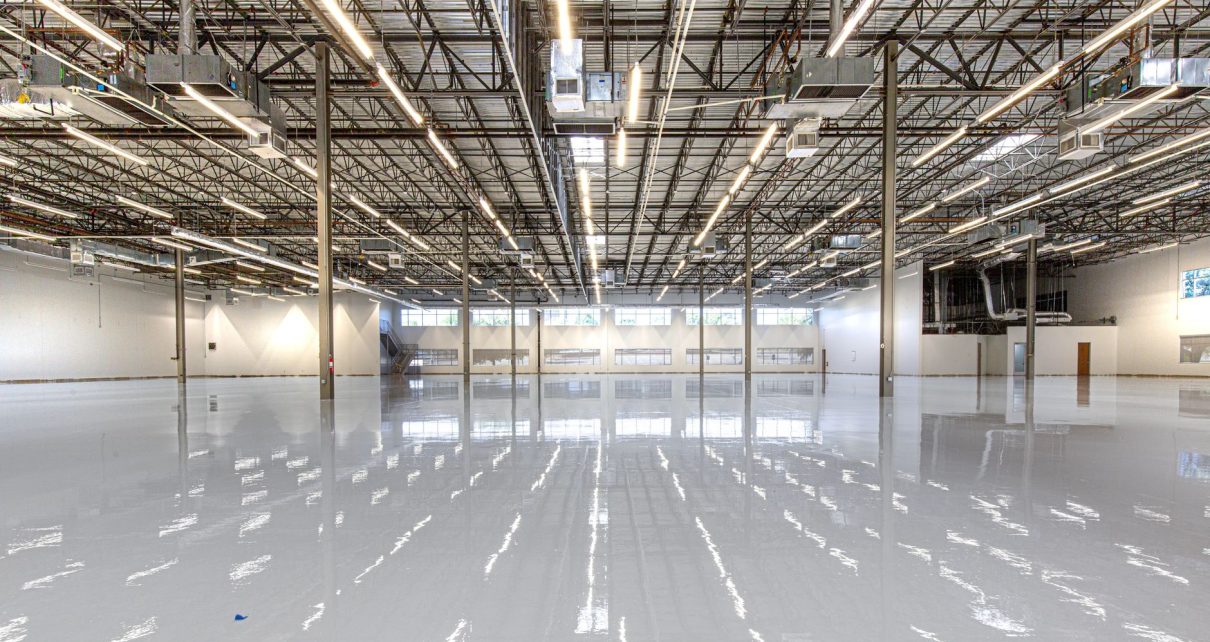
Google data centers Texas are under scrutiny as the company admits to concerns regarding their operations. This has raised questions about the future of these facilities in the region.
Concerns Over Google Data Centers in Texas
Concerns have been mounting regarding the construction of Google data centers in Texas, often referred to as the ‘Texas of Europe’. Critics argue that the rapid expansion of these facilities poses significant risks to the local environment and the community. With the state already grappling with issues related to water scarcity and energy consumption, the presence of large data centers could exacerbate these challenges.
Several key issues have been highlighted:
- Water Usage: The data centers require vast amounts of water for cooling systems, raising fears about the sustainability of local water supplies.
- Energy Demand: The energy consumption of Google data centers is substantial, which could strain Texas’s power grid, especially during peak usage times.
- Environmental Impact: The construction and operation of these facilities may disrupt local ecosystems and contribute to increased carbon emissions.
- Community Concerns: Residents worry about the potential for increased traffic, noise pollution, and changes in local infrastructure.
The company has acknowledged these concerns while promising to implement more sustainable practices. However, many remain skeptical about the long-term implications of Google data centers in Texas.
Impact on Local Economy
The establishment of Google data centers in Texas has sparked a significant debate regarding its impact on the local economy. While some experts view it as a boon, others express concerns about potential drawbacks.
Supporters argue that the data centers will create numerous job opportunities. They believe that the influx of employment will stimulate local businesses and increase tax revenues, benefiting the community as a whole. Local suppliers may also experience heightened demand for goods and services, further boosting the economy.
However, critics highlight potential downsides. They worry that the rapid expansion of Google data centers in Texas could lead to increased costs of living, as demand for housing and resources surges. This could displace long-time residents and create economic imbalance. Additionally, environmental concerns related to the energy consumption of these facilities have been raised, prompting discussions about sustainability and long-term viability.
In summary, while the Google data centers in Texas offer promising economic opportunities, the trade-offs must be carefully considered. Community leaders and residents alike are calling for transparency and dialogue as they navigate the complexities of this development.
Regulatory Challenges for Tech Companies
The rapid expansion of Google data centers in Texas has not come without its challenges, particularly in the realm of regulation. Local governments and environmental groups have voiced strong concerns regarding the impact of these facilities on the surrounding areas. Critics argue that the infrastructure demands of large data centers could overwhelm local resources, leading to potential disruptions in water and electricity supplies.
Moreover, the regulatory framework surrounding tech companies in Texas is evolving, creating additional hurdles for Google. These evolving regulations aim to address issues such as energy consumption and environmental sustainability, which are becoming increasingly critical as data centers proliferate. As a result, Google faces the daunting task of navigating these regulations while simultaneously pushing for expansion.
Some local officials have expressed skepticism about whether the benefits of new Google data centers in Texas will outweigh the regulatory challenges and potential environmental impacts. Concerns over water usage and emissions are particularly prominent as the state grapples with ongoing drought conditions. Thus, the future of Google’s projects in Texas remains uncertain as stakeholders continue to assess the long-term implications.
Future of Data Centers in Europe
The future of data centers in Europe is becoming increasingly uncertain as companies face mounting regulatory pressures and environmental concerns. With the rapid growth of digital services, the demand for data centers has surged, prompting tech giants to explore expansion into regions like Texas. However, recent developments have raised questions about the sustainability and viability of such projects.
Europe’s regulatory landscape is evolving, with stricter laws aimed at reducing carbon footprints and ensuring responsible data management. As a result, many companies are reevaluating their strategies, particularly in regions where climate initiatives are prioritized. For instance, Google has been urged to suspend work on its data centers in Texas due to concerns about environmental impact and resource usage.
Additionally, local communities are increasingly vocal about the implications of large data center operations. Key issues include:
- Water usage and management
- Energy consumption and reliance on renewable sources
- Impact on local infrastructure and housing
As tech companies navigate these challenges, the long-term prospects for Google data centers in Texas and similar locations remain uncertain, prompting discussions on the future of digital infrastructure across Europe.
Community Reactions to Google’s Decision
As news of Google’s data centers in Texas continues to circulate, community reactions have been mixed, with some residents expressing enthusiasm while others voice significant concerns. Many locals are excited about the potential job opportunities, believing that these data centers could boost the local economy. However, there is also a strong contingent of residents worried about the environmental impact.
One vocal group, representing environmentalists, argues that the energy consumption from Google’s data centers could further strain Texas’s already challenged power grid. “We are facing a climate crisis, and the expansion of tech giants like Google only exacerbates the issue,” said a local activist during a recent town hall meeting.
In contrast, some business owners are hopeful that the presence of Google will attract other tech companies, leading to a vibrant tech ecosystem in the area. “Having Google here could put us on the map,” stated a small business owner who supports the initiative.
As the debate rages on, the community remains divided over whether the establishment of Google data centers in Texas is ultimately a wise decision or a detrimental move for the region’s future.
Alternatives for Google in Europe
As Google faces increasing scrutiny over its data centers in Texas, some industry experts suggest that the company could explore alternatives in Europe. With regulatory environments becoming more favorable and investment in green technologies on the rise, Europe presents a promising landscape for tech giants.
Among the potential locations, several countries stand out:
- Germany: Known for its robust data privacy laws, Germany offers a stable regulatory framework that can benefit companies looking to ensure data security.
- Sweden: With its commitment to renewable energy, Sweden provides an environmentally friendly option for data center operations, aligning with Google’s sustainability goals.
- Ireland: As a tech hub, Ireland boasts a skilled workforce and favorable tax conditions, making it an attractive option for tech firms.
- Finland: Finland’s cool climate is ideal for data centers, reducing cooling costs and energy consumption, a critical factor for companies like Google.
Transitioning to European data centers could mitigate some of the operational risks currently faced in Texas. However, such a shift would require significant investment and strategic planning, leading to questions about the long-term viability of Google’s data centers in Texas.
What This Means for the Tech Industry
The establishment of Google data centers in Texas has sparked significant discussion within the tech industry, raising questions about sustainability and corporate responsibility. As major tech companies increasingly expand their operations, the implications of such decisions can be profound.
One of the primary concerns is the environmental impact associated with large-scale data centers. Industry experts warn that the high energy consumption required to power these facilities could strain local resources and contribute to climate change. In Texas, where energy sources are diverse but often reliant on fossil fuels, this has become a focal point for critics.
Additionally, the influx of Google data centers in Texas may lead to increased competition among tech companies vying for resources and talent. This competition could drive innovation; however, it may also lead to a talent drain from other regions, potentially destabilizing local tech ecosystems.
Moreover, the regulatory environment in Texas poses unique challenges for tech firms. As these companies navigate local laws and regulations, the outcomes could influence future investments and operations across the industry.
Ultimately, the decisions made regarding Google data centers in Texas may set precedents that resonate throughout the tech landscape, shaping the industry’s approach to expansion and sustainability.
Many experts argue that the expansion of Google data centers Texas could strain local resources and infrastructure. However, proponents believe that Google data centers Texas will bring significant economic benefits to the region.
Photo by Craftsman Concrete Floors on Pexels